
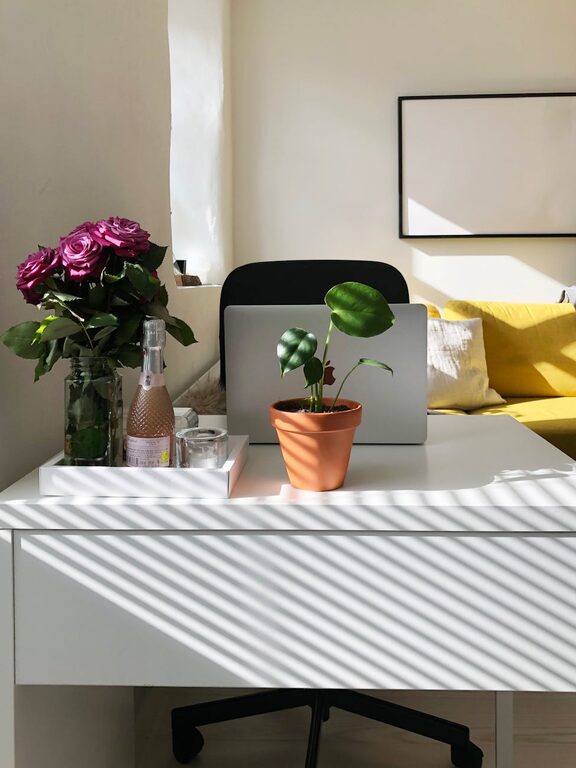
Creating a relaxing home workspace is essential for maintaining focus, reducing stress, and maximizing productivity. Whether you work remotely full-time or occasionally need a spot to catch up on tasks, a thoughtfully designed workspace can make all the difference. In this post, we’ll explore practical tips to help you shape an environment that supports both comfort and efficiency.
Why a Relaxing Workspace Matters
Your workspace is more than just a place to work; it influences your mood, concentration, and overall well-being. A cluttered or uncomfortable area can lead to distractions and fatigue, while a serene and organized setup encourages creativity and sustained focus.
Step 1: Choose the Right Location
Selecting the ideal spot in your home is the first step toward creating a calming workspace.
– Natural Light: Opt for a location with plenty of natural sunlight. Exposure to daylight can improve mood and alertness.
– Quiet Area: Find a space away from household noise or high traffic to minimize distractions.
– Adequate Space: Ensure there is enough room for your desk, chair, and any tools or materials you need.
If space is limited, consider a foldable desk or a corner setup that can be tidied away after work hours.
Step 2: Invest in Comfortable Furniture
Ergonomics play a huge role in comfort and productivity.
– Ergonomic Chair: Choose a chair that supports your lower back and promotes good posture.
– Adjustable Desk: If possible, use desks with adjustable heights for sitting or standing work.
– Proper Desk Size: Your desk should have enough surface area for your computer, keyboard, and any additional work items.
Proper furniture reduces fatigue and helps prevent long-term health issues.
Step 3: Optimize Lighting
Good lighting is critical for reducing eye strain and maintaining alertness.
– Task Lighting: Use a desk lamp with adjustable brightness for focused tasks.
– Avoid Glare: Position monitors perpendicular to windows to avoid screen glare.
– Warm Light: Incorporate warm-toned bulbs in the evening to support a relaxing atmosphere.
Step 4: Keep It Organized
A cluttered workspace can be distracting and stressful.
– Declutter Regularly: Remove unnecessary items daily to keep your desk tidy.
– Storage Solutions: Use shelves, drawers, or boxes to organize supplies.
– Cable Management: Use clips or sleeves to keep cords neat and out of the way.
An organized space helps maintain mental clarity and saves time looking for things.
Step 5: Add Personal Touches
Adding elements that make you feel comfortable and at ease can boost your mood.
– Plants: Indoor plants improve air quality and add a calming green element.
– Artwork: Display art or photos that inspire or relax you.
– Favorite Scents: Use scented candles or essential oil diffusers with calming fragrances like lavender or eucalyptus.
These touches help make your workspace inviting and reduce stress.
Step 6: Minimize Distractions
Limit interruptions to maintain focus by controlling your environment.
– Turn Off Notifications: Silence non-work-related alerts on your devices.
– Use Noise-Canceling Headphones: These can block out background noise if silence is hard to find.
– Set Boundaries: Communicate your work hours with family or housemates to minimize disturbances.
Step 7: Incorporate Movement Breaks
Sitting for extended periods can reduce productivity.
– Set Reminders: Use phone alarms to remind you to stand or stretch every hour.
– Desk Exercises: Simple stretches or a few steps can refresh your mind.
– Standing Desk: If possible, alternate between sitting and standing during the day.
Movement keeps blood flowing and enhances concentration.
Step 8: Leverage Technology Thoughtfully
Use tools that support your workflow without adding complexity.
– Dual Monitors: Expand your screen space for multitasking.
– Wireless Accessories: Keep cables to a minimum for a cleaner desk.
– App Organization: Use apps that organize tasks and calendars efficiently.
Technology should support comfort, not overwhelm.
Final Thoughts
Designing a relaxing home workspace is an investment in your well-being and productivity. By thoughtfully choosing a location, investing in ergonomic furniture, maintaining good lighting, keeping your space tidy, and adding personal touches, you can create an environment that helps you work smarter and feel better. Remember, small improvements can lead to big benefits in comfort and focus.
Take the time to customize your workspace to fit your needs, and watch how these changes positively impact your daily work routine.